
Bounty to back Apillon Web3 development platform as a common good infrastructure
Bounty to back Apillon Web3 development platform as an open-source, common good infrastructure
Requested DOT: 999,999
Respecting the feedback we garnered and addressing the concerns raised by some community members, we’re introducing certain changes to the Proposal that would, hopefully, reassure everyone of the ecosystem-first objectives of Apillon’s transition to an open-source infrastructure.
Read more about our commitment to respecting community voice and delivering user-first solutions long-term: How ecosystem engagement helped steer the way of the Apillon Proposal.
With this Proposal, the Apillon platform would transition to an open-source infrastructure solution with permanent freemium access, governed by the community, and thus become a common good project, further spurring Web3 adoption, Polkadot ecosystem growth, and DOT utility.
Apillon (apillon.io) is a Web3 development platform (app.apillon.io) empowering developers to easily build dapps and other Web3 products in the Polkadot ecosystem.
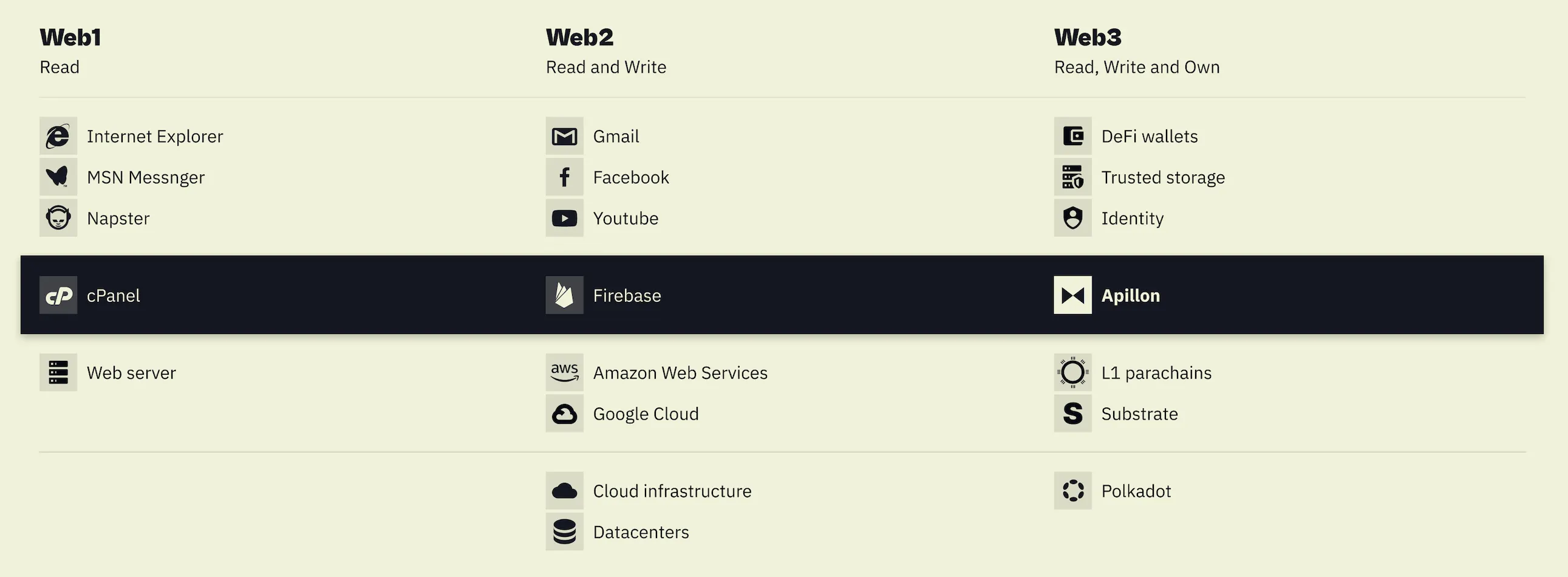
Currently, the platform provides the functionality of dashboard-based deployment of Web3 services and API connectivity - the parachains’ functionalities are abstracted and translated into ready-to-use, few-click Web3 services that can be combined to power multi-chain Web3 projects.
Through DOT-based open governance by the Apillon community, the platform would undergo future upgrades, including integrations of voted parachain and other services, to best respond to users' needs and deliver user-oriented opportunities for Web3 adoption.
The updates to the Proposal are as follows:
- Proposal format changes from Treasury to Bounty to align with OpenGov funding schemes and give more control to the governance and treasury community, as a direct answer to raised concerns in the public discussion phase.
- The total funding amount changes slightly to compensate for the DOT price volatility and treasury track placement.
We want to make the concept of Apillon’s Treasury Proposal as comprehensive and transparent as possible. We will do our best to provide additional explanation and information you might request.
Payout structure
Additional links:
- The full Apillon Proposal
- The Apillon platform Quick Demo
- The official Apillon Proposal announcement
Please post any questions, concerns, or feedback in one of the following ways:
- In the comments section below
- In the Polkadot Forum comment section (informal)
- In the Polkadot Direction Element channel comments section (informal)
Comments (12)
Proposal Failed
I have some concerns with the architecture of the application and how it deploys NFT's. The deployer and owner for all deployed NFT contracts are a single EOA. As such, if this account were to be compromised, it would mean that all deployed contracts are irrevocably compromised. This issue appears to affect both Moonbeam and Astar. At a minimum these roles should be separated but also the owner should be able to be the person deploying or a multi-sig that Appilon controls.
@0xtaylor
So any kind of integration we do we take security and decentralization seriously. So specifically for NFTs it is not meant for us to be the owner at all.
The reason we hold the initial ownership is because we want to remove all friction that could prevent user from smooth experience, while still not compromising the question of ownership.
This temporary ownership is, so we can perform some task in the name of the user when setting up the collection but it is always intended that the user takes ownership to his own wallet.
User has that option in the platform and can transfer ownership to his own address at any point.
As for security we have a modular and scalable architecture. This means that creating a transaction is separated in 4 standalone processes:
This way the part where private keys are used (step 2) can be done offline with this mitigating risk of exposing private keys.
And its setup in a way that we can have N different private keys doing transactions that can be swapped. This way even if a private key is compromised it first limits the scope of the compromise and can quickly be mitigated.
Also step 4 in this process does not only monitor transaction we are doing but the whole traffic from any of our accounts. This is paired with anomaly detection system so we can detect if anything suspicious is going on.
To ensure security an external penetration testing was done on the platform and before going open source we intend to also do external code auditing.
Hope this answers you question. :)
Updates -
A whale wallet was created and funded via Kraken a couple of hours ago, just to vote on this proposal.
Another whale wallet(which has funded Apillon's wallet earlier is the 2nd wallet with most voting influence as of now-
OpenGov is so misused because community of true holders does not vote and teams are able to rig the system for their advantage.
@16ZwocRmk9McUZuyivwovuhHsCWbhSeDS28JwFUsD4AbmXja what are you upto? Buying tokens to vote aye on your own proposal? Nice!
@ProposalCritic
Another wallet created and funded just to vote on this proposal.
I believe that with such malicious attempts to game the system, the team should not be funded even if they make another proposal with lesser amount.
Polkassembly is now a read-only archive. Commenting is disabled.